
BPC-157 vs TB-500
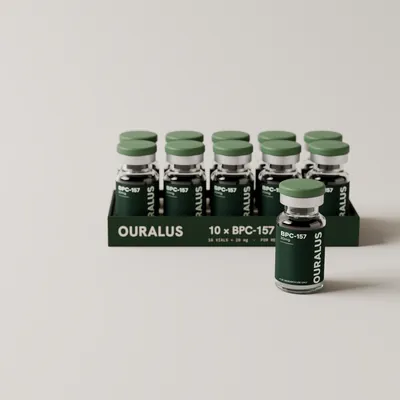
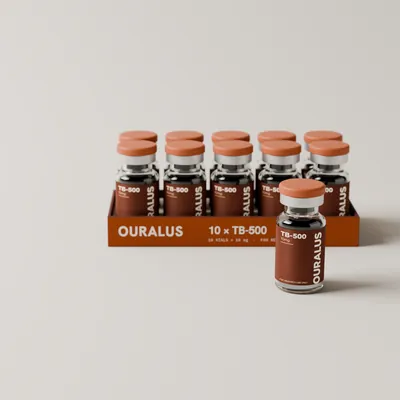
BPC-157 and TB-500 are both peptide compounds that have been investigated in preclinical research. BPC-157 is a 15-amino-acid gastric peptide, while TB-500 is a synthetic fragment derived from thymosin beta-4. Although both peptides have been studied for potential tissue-related effects in rodent models and cell cultures, they differ in source, structure, and the scope of published research examining them.
This comparison reviews the published research literature on both peptides in preclinical systems without making therapeutic claims or endorsing either compound. Research use only.
How do BPC-157 and TB-500 differ in structure?
BPC-157 is a 15-amino-acid pentadecapeptide isolated from gastric juice, with a distinct amino acid sequence designed for stability [1]. TB-500 is a 43-amino-acid fragment derived from thymosin beta-4, a naturally occurring protein in mammalian tissues [8]. These structural differences—peptide length, source origin, and amino acid composition—represent fundamental distinctions between the two compounds and may influence their biological interactions in research models. The shorter BPC-157 sequence differs fundamentally from the longer TB-500 fragment in potential conformational properties and receptor interactions.
What animal models have been used to study each peptide?
Both BPC-157 and TB-500 have been examined in rodent models, particularly rats and mice [2][6]. BPC-157 research includes ischemia-reperfusion injury models, liver protection studies, and nerve injury investigations [2][1][5]. TB-500 studies have focused on tendon injury models [6]. While both peptides share rodent research platforms, the specific tissue injury models and measured outcomes differ between them. BPC-157 investigations span broader organ systems, whereas TB-500 research concentrates on musculoskeletal and wound-related applications.
What cell-based research approaches distinguish these peptides?
Cell culture studies examining BPC-157 have reported effects on inflammatory markers and growth factor signaling in vitro [4]. TB-500 cell studies have measured wound-closure assays and cellular migration in tissue culture systems [7]. Both peptides have been incorporated into biocompatible delivery vehicles—BPC-157 in chitosan hydrogels [3] and TB-500 in various formulation matrices [7]. The choice of cell type, assay method, and measured endpoints varies between BPC-157 and TB-500 research. These methodological differences reflect distinct research emphases and tissue system interests between the two peptide investigation programs.
How do the scopes of published research compare?
BPC-157 has more extensive published literature, including reviews of hepatoprotection [1], ischemia-reperfusion injury [2], and tissue repair across multiple organ systems [4]. TB-500 research is more limited, with studies primarily focused on tendon injury and wound-closure models [6][7]. Both peptides lack human clinical trial data in peer-reviewed medical literature [8]. The volume and breadth of research differ substantially between the two peptides. BPC-157 investigations span approximately 235 published entries in PubMed databases, while TB-500 literature remains more restricted in scope and volume.
What do comparative studies of both peptides reveal?
Direct comparative research has examined BPC-157 and TB-500 in the same experimental setting. One study measured both peptides' outcomes in a rat Achilles tendon injury model, reporting histopathological and biomechanical outcomes for each [6]. Orthopaedic research reviews have discussed both peptides as investigational compounds, noting that evidence comparisons rely on preclinical animal models rather than human data [8]. Comparative findings remain within the preclinical research domain. These head-to-head studies provide observations on relative tissue responses in standardized injury conditions but do not establish clinical equivalence or superiority.
What are the key differences in study limitations between these peptides?
Both BPC-157 and TB-500 research faces the limitation of preclinical-only evidence without human clinical trials. BPC-157 investigations vary widely in experimental methods and tissue models, complicating meta-analysis [1][2]. TB-500 research, being more limited in scope, includes fewer studies and less standardization in preparation and delivery [7]. Neither peptide has undergone formal human regulatory evaluation. The evidence bases are incomplete for both compounds. Future research development would require establishment of additional animal studies, mechanistic validation, and progression through regulatory pathways before any human consideration.
What research directions distinguish future investigation of these peptides?
BPC-157 research trajectories include expanded investigation of hepatic, neurological, and vascular applications in preclinical models. TB-500 research directions focus on musculoskeletal applications and optimization of delivery systems for enhanced research efficacy [7]. Both peptides require standardization of preparation methods, establishment of concentration-response relationships in research protocols, and expanded mechanistic understanding in animal models. Systematic reviews and meta-analyses remain limited by heterogeneity in experimental designs. The research fields would benefit from consensus guidelines for study design, outcome measurement standardization, and transparent reporting of methods and results.
Frequently asked questions
Which peptide has more published research?
BPC-157 has a larger body of published preclinical research, including multiple reviews and studies across various tissue systems [1][4]. TB-500 research is more limited in volume and scope, focused primarily on tendon injury and wound-closure models [6]. The quantity of published literature differs notably between them.
Are there direct head-to-head studies comparing BPC-157 and TB-500?
Yes. Research has examined both peptides in the same Achilles tendon injury model in rats, reporting measurements for each [6]. These comparative animal studies provide preclinical observations but do not establish human equivalence or enable therapeutic recommendations for either compound.
Is one peptide studied in more tissue systems than the other?
What makes these peptides difficult to compare directly?
Differences in structure, source, and the scope of published research complicate direct comparison. Most research on each peptide was conducted independently using different experimental methods, animal models, and measured endpoints. The limited availability of direct comparative studies and absence of human data restrict evidence-based comparisons.
Do researchers recommend one peptide over the other?
No. Published literature remains in the preclinical research phase for both compounds. Researchers do not recommend either peptide for human use. Any future development toward human application would require extensive additional research and regulatory approval processes.
References
- Sever M, et al. Possibilities for Cytoprotective Liver Therapy, Stable Gastric Pentadecapeptide BPC 157, and Standard Agents-A Narrative Review. Pharmaceuticals (Basel). 2026;19(10):1559. PMID 42943255
- Demirtaş H. BPC 157 in Rodent Ischemia-Reperfusion Injury: A Critical Review of Preclinical Evidence. Int J Mol Sci. 2026;27(18):8344. PMID 42794771
- Arunim, et al. Fabrication and characterization of biocompatible BPC-157 based chitosan hydrogel. 3 Biotech. 2026;16(8):312. PMID 42555375
- Luansritisakul C, et al. Peptides in Regenerative Medicine: A Comprehensive Review of Clinical Applications in Tissue Repair and Chronic Pain Management. Curr Pain Headache Rep. 2026;30(1):109. PMID 42635865
- Froum S, et al. Case Report: Regenerative peptides for Inferior alveolar nerve injury: a narrative review with hypothesis-generating three clinical cases. Front Oral Health. 2026;7:1907109. PMID 42876687
- Biçer O, et al. Effects of BPC-157 and TB-500 on Achilles tendon healing in rats: A histopathological and biomechanical study. Jt Dis Relat Surg. 2026;37(3):822-837. PMID 42542926
- Rahaman KA, et al. Simultaneous quantification of TB-500 and its metabolites in in-vitro experiments and rats by UHPLC-Q-Exactive orbitrap MS/MS and their screening by wound healing activities in-vitro. J Chromatogr B Analyt Technol Biomed Life Sci. 2024;1235:124033. PMID 38382158
- Tham A, et al. Investigational Peptides in Orthopaedic Practice: Evidence, Safety, and Patient Counseling for BPC-157, Thymosin Beta-4, and TB-500. J Am Acad Orthop Surg. 2026. PMID 42937313
RUO For laboratory research use only. Not for human or veterinary use. This page summarises published studies and is not medical advice.